Common Mistakes on Wetland Trails and How to Avoid Them
A good day on a wetland trail is usually a quiet one: the tide is out, the light is flat, and you spend two hours watching a curlew work the same patch of mud without anything chasing it away. The bad days tend to have smaller causes. A missed tide table. A shortcut across a saltmarsh. A dog off the lead at exactly the wrong moment. None of these are dramatic errors, and all of them are easy to avoid once you know what you are looking at.
Ignoring the tide because the map looks flat
Tidal wetlands do not fill up like a bathtub. On a shallow estuary, water creeps along creeks and channels first, then spreads sideways across mud and saltmarsh faster than most people expect — often quicker than you can walk back. The path you followed out at low water can be cut in two behind you while the ground ahead still looks perfectly dry.
Check the tide table for the exact stretch you are walking, not for the nearest town. High water times shift as you move up or down an estuary, and twenty minutes matters on a route with no high ground. Aim to be off any tidal section at least two hours either side of high water, and longer on spring tides. Strong onshore winds push water further inland than the table suggests.
Once you are out there, read the ground. A line of matted seaweed, a band of darker mud, a row of marker posts or a scatter of stranded debris all show where the water has been recently. Note your escape route as you go — a raised bank, a bridge, a slipway — rather than hunting for one at the moment you need it.
If a creek is running where it was dry ten minutes ago, you are already behind schedule.
Treating the path as a suggestion
Wetland paths exist for two reasons: they keep you on ground that will hold you, and they keep your feet off ground that will not recover. Saltmarsh plants are fragile and slow-growing, and a bootprint in soft mud can last for years.
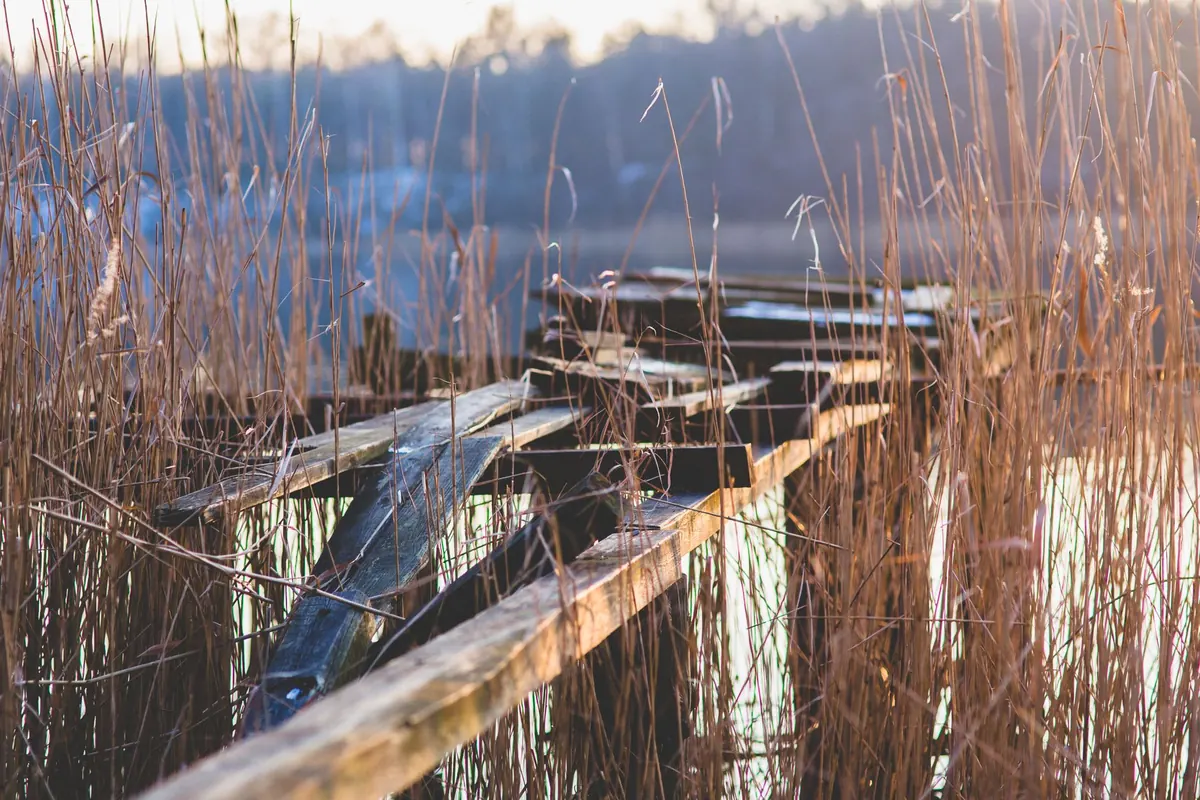
People wander for understandable reasons. A boardwalk is closed for repairs, so they go round it. A muddy stretch looks easier to skirt. A viewpoint seems twenty metres closer if you cut across the grass. In each case the answer is the same: turn around, or find the marked alternative. Many wetland sites are protected reserves where leaving the route is not permitted, and even where it is, the ground is usually softer and stranger than it looks.
Disturbing the wildlife you came to see
Wetlands are working habitats, not just scenery. Wading birds and wildfowl spend the winter balancing their energy budget, and every time they are flushed they burn calories they cannot easily replace. In spring and early summer, disturbance can mean abandoned nests and chilled eggs.
Signs you are too close
- Birds stop feeding and stand upright, watching you.
- A group of ducks or waders drifts steadily away from the bank.
- An oystercatcher or lapwing starts calling and flying at you.
- Heads go up all along the waterline as you approach.
Back away slowly and use the hides, screens and viewing points provided. Binoculars or a scope let you watch without pushing anything off its feeding patch. Keep dogs on a short lead near water, grazing livestock and nesting areas; even a friendly dog that only wants to look will clear a whole lagoon in seconds.
Mistaking soft mud for firm ground
Saturated silt and sand can look like a solid path right up until the moment you step on it. Warning signs include a dark, glossy sheen, a surface with no footprints on it, and cracks or bubbles around the edges. Tidal creeks with vertical banks are especially deceptive, because the lip is often undercut and collapses when weight lands on it.
If the ground starts to move under you, stop and back off along your own footprints rather than pushing forward. If you have any doubt about a route, choose another one. Tell someone where you are going and when you expect to be back, and keep a phone charged in a dry bag — signal is patchy on marshes, so never rely on it as your only plan.
Dressing for the wrong day
Marshes are colder, windier and wetter than the car park you left half an hour ago, and that holds true in July as much as in January.
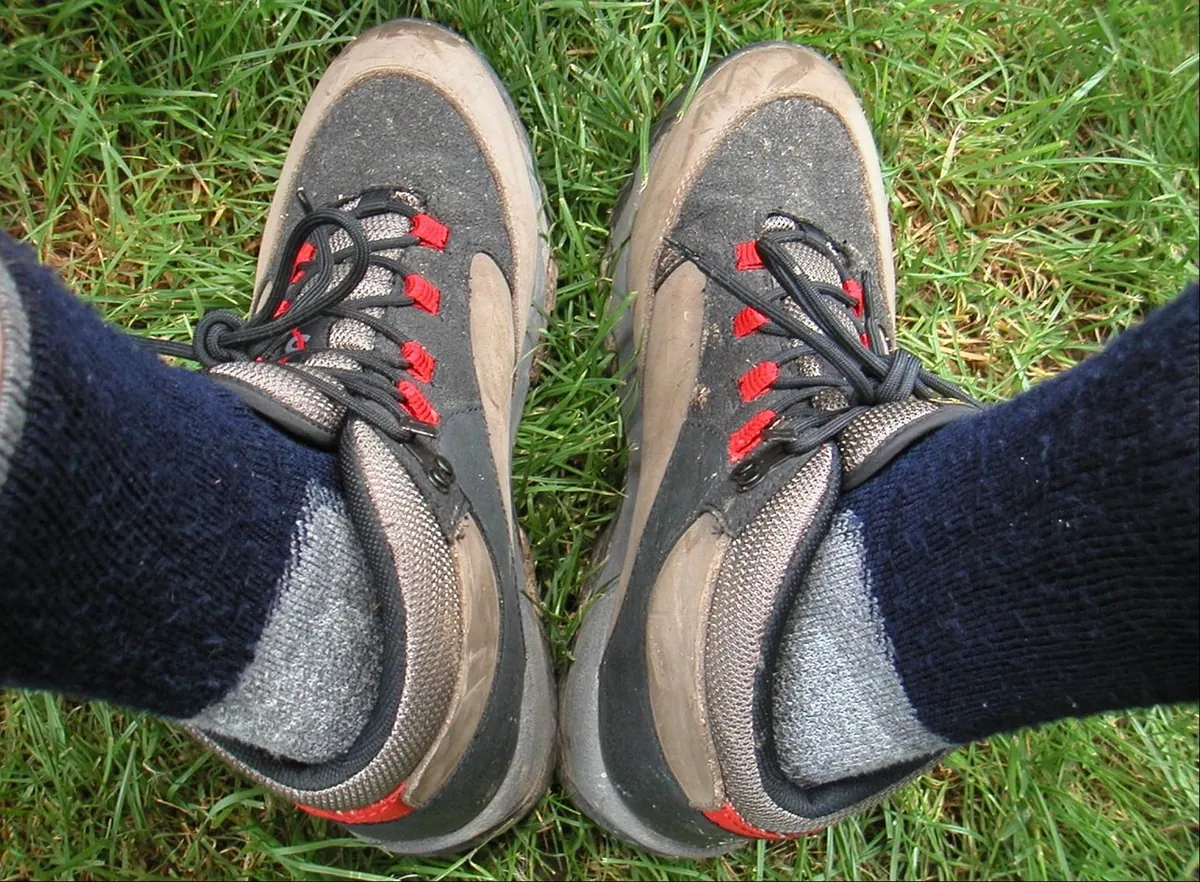
Wellies are excellent for standing water and mud but poor on slippery boardwalks and over long distances; walking boots with waterproof socks handle most marked routes better. Bring a windproof layer even on a still, warm morning, and spare socks in a dry bag. In summer, midges can turn a pleasant evening into a short one, so pack repellent and cover your arms and legs at dusk. Open water reflects a lot of light, which is why sunglasses and sun cream are less unnecessary than they sound.
Small habits that protect the place
Close every gate behind you, whether or not it was closed when you arrived. Take all litter home, including fruit peel and stray dog bags. Keep voices low near hides, because sound carries a long way over water. Check a reserve's rules before flying a drone; most do not allow it.
Before you set off: a five-minute routine
None of this calls for special kit or years of experience. It calls for ten minutes at the kitchen table before you leave.
- Look up tide times for the exact location and write them down; do not rely on signal.
- Download an offline map of the route and note the nearest high ground or exits.
- Check the reserve or council website for closed boardwalks, diversions and seasonal restrictions.
- Tell someone your route and expected return time.
- Pack water, a windproof layer, spare socks, repellent in summer, and a charged torch if you might be out late.
If you have a heart or lung condition, limited mobility or another long-term health issue, it is worth speaking to your GP before attempting a long marsh route with soft ground, few exits and no shelter. Many reserves run short, flat, all-ability boardwalk trails that offer the same birds for far less effort.
Photo: erge / Pixabay

Slot Volatility Explained: Why Your Bankroll Depends On It
Two players sit down at the same online slot, both with a $100 bankroll, both spinning at $1 a pull. One...

Volunteer Conservation on Wetland Trails: How to Join a Local Work Party
Practical conservation volunteering on wetland trails is sociable, useful and easier to start than you...
About Us