Checklist: 15 Essentials for a Family Wetland Walk
A wetland trail is one of the best places to take children walking, and one of the easiest places to get caught out. Boardwalks slick with algae, mud that swallows a trainer, a wind that crosses open water with nothing to slow it down — none of it is dangerous, but all of it is miserable if you have packed for a park. Fifteen items cover almost every eventuality, whatever the season throws at you.
Check the water before the weather
Most wetland sites have their own rhythm. On coastal marshes and estuaries that rhythm is the tide, and it can move faster than you expect across flat ground. Check the tide table for the nearest point before you settle on a start time, and keep everyone off mudflats and saltmarsh that will be cut off on the return leg.
Inland reserves are more forgiving, but look at the reserve's own page for boardwalk closures, nesting-season restrictions and whether dogs are welcome on the route you have in mind. Weather matters twice over: for what you wear and for what the ground does underfoot. A dry week makes a trail passable in trainers; a wet one turns the same path into a boot-only affair. Walk out into the wind and come back with it behind you, and you get the hard half done while everyone still has energy.
Clothing that copes with wet ground
Footwear is the decision that makes or breaks the day. Wellies with a deep tread handle mud and shallow puddles; walking boots suit older children on longer trails. Trainers and canvas shoes are a false economy — once wet they stay wet, and cold feet end walks early.
Above the ankle, think layers rather than one thick coat: a base layer, a fleece, and a waterproof jacket with taped seams will see you through most of the year. Waterproof trousers earn their place when rain is forecast or the path runs through wet grassland. Cotton soaks up water and holds it; wool and synthetics dry far faster.
Then the small things that save a day:
- A complete spare set of clothes and socks, bagged and left in the car
- Hats and gloves between October and March; a wide-brimmed sun hat in summer
- A light microfibre towel, which weighs nothing and gets used constantly
- A spare pair of socks in an adult's pocket, for the child who finds the one deep puddle
Fuel for small legs
Hungry children complain about everything, including things they normally love. Pack water in refillable bottles for everyone and top them up before leaving the visitor centre; a flask of something warm earns its place from November onwards.
For food, aim for slow release rather than quick sugar — flapjack, oatcakes, cheese, fruit, a decent sandwich. A handful of sweets is useful near the end of a walk when you want a final push back to the car park. Hides and benches along the trail are not just for birdwatching: a ten-minute stop with a drink and a snack resets the mood far better than pressing on and hoping.
Safety kit for a wetland walk
Wetland trails are generally low-risk, but they are often remote and often wet, which shapes what you carry.
- A charged phone with an offline map or the trail leaflet downloaded
- A small first aid kit: plasters, antiseptic wipes, a bandage, fine-tipped tweezers
- Sun cream and insect repellent — midges and mosquitoes are real on still, humid days, especially at dawn and dusk
- A whistle for each child old enough to use one
- A note in a pocket with your name, phone number and the car park you started from
Tell someone at home which trail you are walking and roughly when you expect to be back. Check for ticks after the walk, since they favour damp grass and reeds, and remove any you find with fine-tipped tweezers. If anyone becomes unwell in the days afterwards, speak to a pharmacist or GP and mention the bite.
Keeping children interested
Wetland is one of the richest habitats to explore with children: reedbeds full of noise, dragonflies, herons, tadpoles, footprints in the mud. What they usually need is a job to do.
Four things that work
- A spotter sheet or bingo card — five birds, three plants, one animal track
- A magnifying glass and a clear bug pot for pond-dipping and leaf litter
- Binoculars; one pair between two children is plenty, and it encourages sharing
- A small notebook and pencil for drawings, tally marks and the names of things you identify
A "silent minute" is a reliable trick with mixed ages: everyone stands still, counts every different sound they can hear, then compares lists. Expect a lot of wind, a lot of reed rustle, and at least one very loud moorhen.
The printable checklist
Fifteen items, in roughly the order you will need them:
- Wellies or waterproof walking boots with grip
- Waterproof jacket with a hood
- Waterproof trousers, if rain or wet grass is likely
- Warm mid-layer or fleece
- Hat and gloves, or sun hat and sun cream
- Spare socks and a full change of clothes in the car
- Refillable water bottles for everyone
- Flapjack, oatcakes, fruit or sandwiches
- A flask of something warm in cold weather
- Charged phone with an offline map
- Small first aid kit and fine-tipped tweezers
- Insect repellent
- Whistle and emergency contact details
- Binoculars and a magnifying glass or bug pot
- Notebook, pencil and a spotter sheet
Packing the night before
Lay everything out in one place the evening before: bags by the door, wellies lined up, spares already in the car. Mornings go sideways; preparation does not.
Then check three things as you leave: the tide or the forecast, the reserve's opening times, and whether everyone has been to the toilet. Dress for the walk rather than the car park — an exposed boardwalk is often several degrees colder than the shelter of the visitor centre. Fold this checklist into a pocket or stick it on the fridge. The next dry weekend, you will be glad it was there.
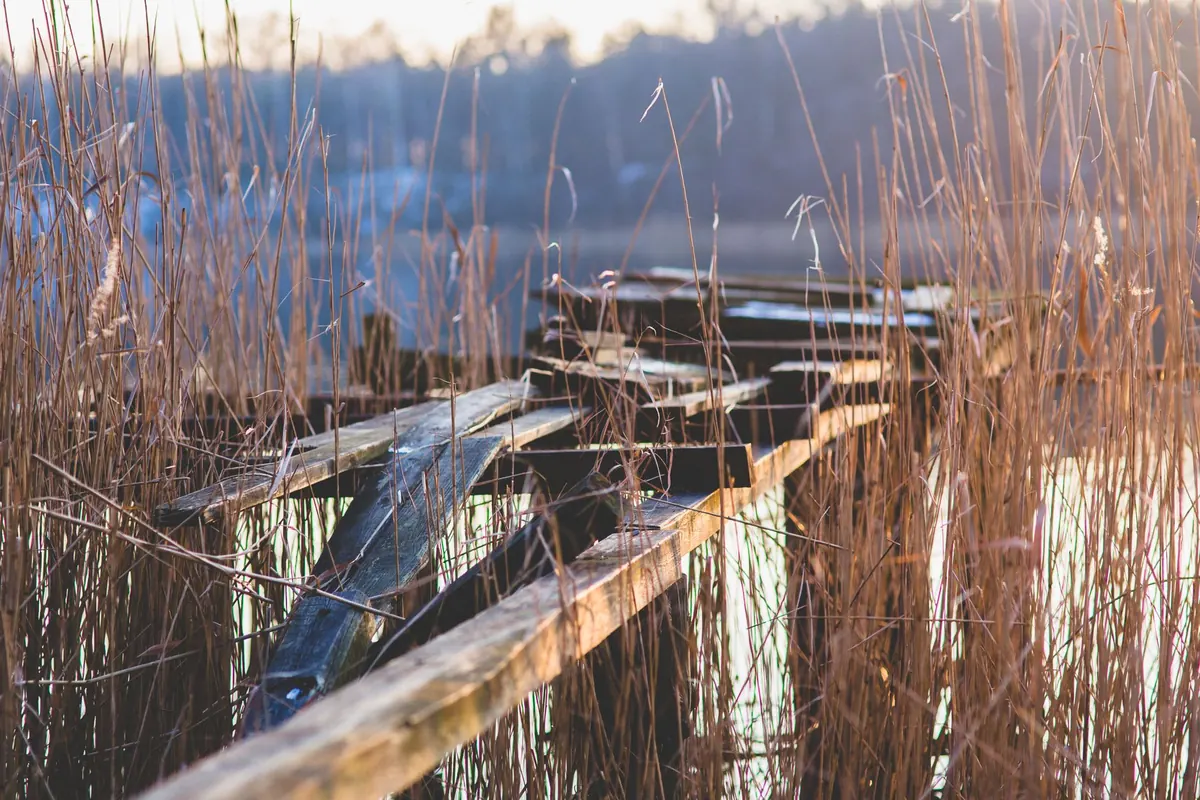
Photo: MabelAmber / Pixabay

Slot Volatility Explained: Why Your Bankroll Depends On It
Two players sit down at the same online slot, both with a $100 bankroll, both spinning at $1 a pull. One...
Volunteer Conservation on Wetland Trails: How to Join a Local Work Party
Practical conservation volunteering on wetland trails is sociable, useful and easier to start than you...
About Us