Why Boardwalks Matter: How Wetland Trails Protect Fragile Habitats
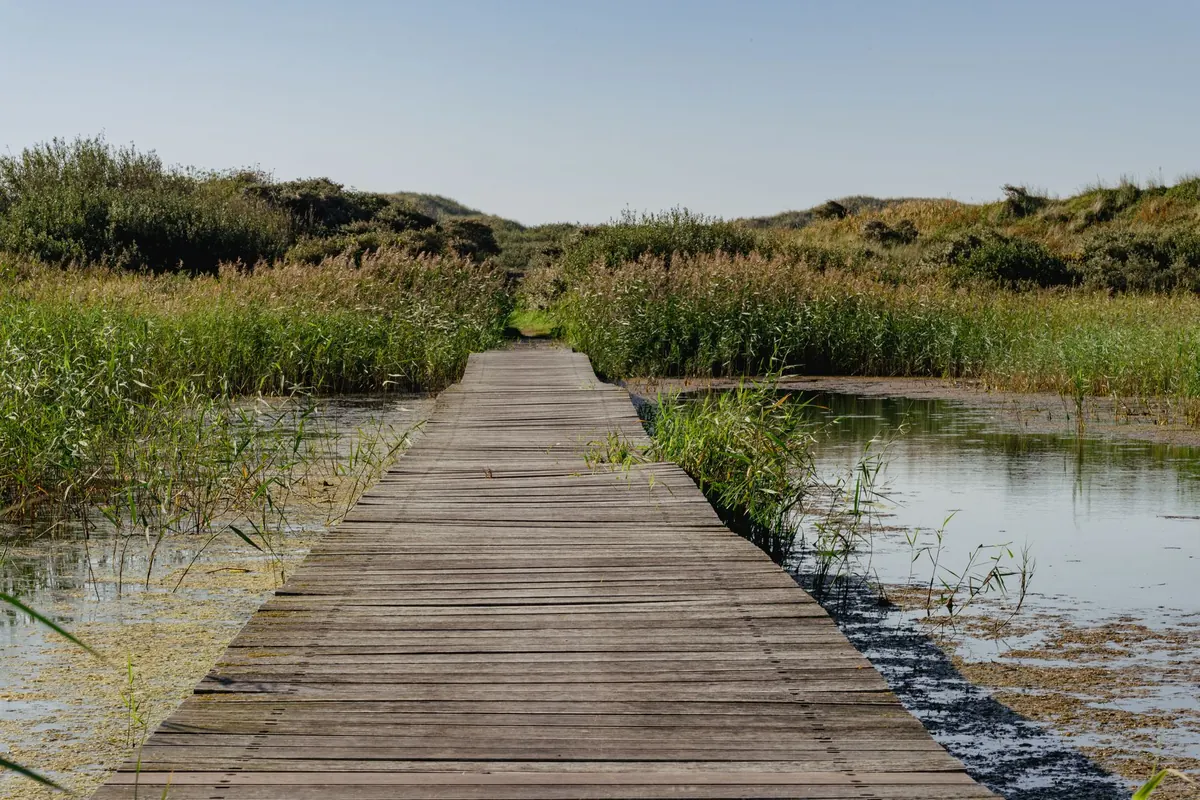
Walk along almost any wetland trail in Britain and you will spend most of your time on timber. The boards flex under your boots, water glints below the gaps, and somewhere ahead a reed warbler chatters in the reeds. It feels like a path. It is really a piece of quiet engineering, doing a job you would not notice until it stopped.
Take the boardwalk away and the same route would be a bog within a season. Boots would cut the surface, water would pool in the hollows, and the plants that make a fen or a mire special would give way to mud and bare ground. Raised paths exist because wetlands are easily bruised, and because people and wet ground have never mixed well.
Why fragile ground cannot take foot traffic
Wetland soils are not like the compacted earth of a woodland path. Peat is built from partly rotted plant material laid down over centuries, and it holds an enormous amount of water. Healthy peat is springy and slow to drain. Press it repeatedly and two things happen. The structure collapses, squeezing the air out of the top layer, and the surface wears into a rut that channels water and speeds erosion along the line of your walk.
Plants suffer just as quickly. Bog mosses, cottongrass, sundews and many sedges grow slowly and recover poorly. A few dozen pairs of boots on a wet autumn day can flatten a patch that took years to establish. Roots are shallow, so trampling damages them rather than pressing them deeper. In a nature reserve, that loss matters beyond the immediate path, because those plants are the base of the food web that supports insects, amphibians and birds.
What a raised path actually does
A boardwalk separates weight from the ground. Instead of concentrating your weight into two small footprints, the deck spreads it across a wide platform and passes it down through piles or bearers to more stable layers beneath. The surface stops deforming, the water table is left alone, and the plants underneath keep growing.
There are other gains that are easy to miss:
- Disturbance is confined. Visitors stay on one line, so the rest of the wetland is left undisturbed for nesting, feeding and roosting.
- Water quality holds up. Sediment stays where it belongs instead of being stirred into pools where fish spawn and invertebrates live.
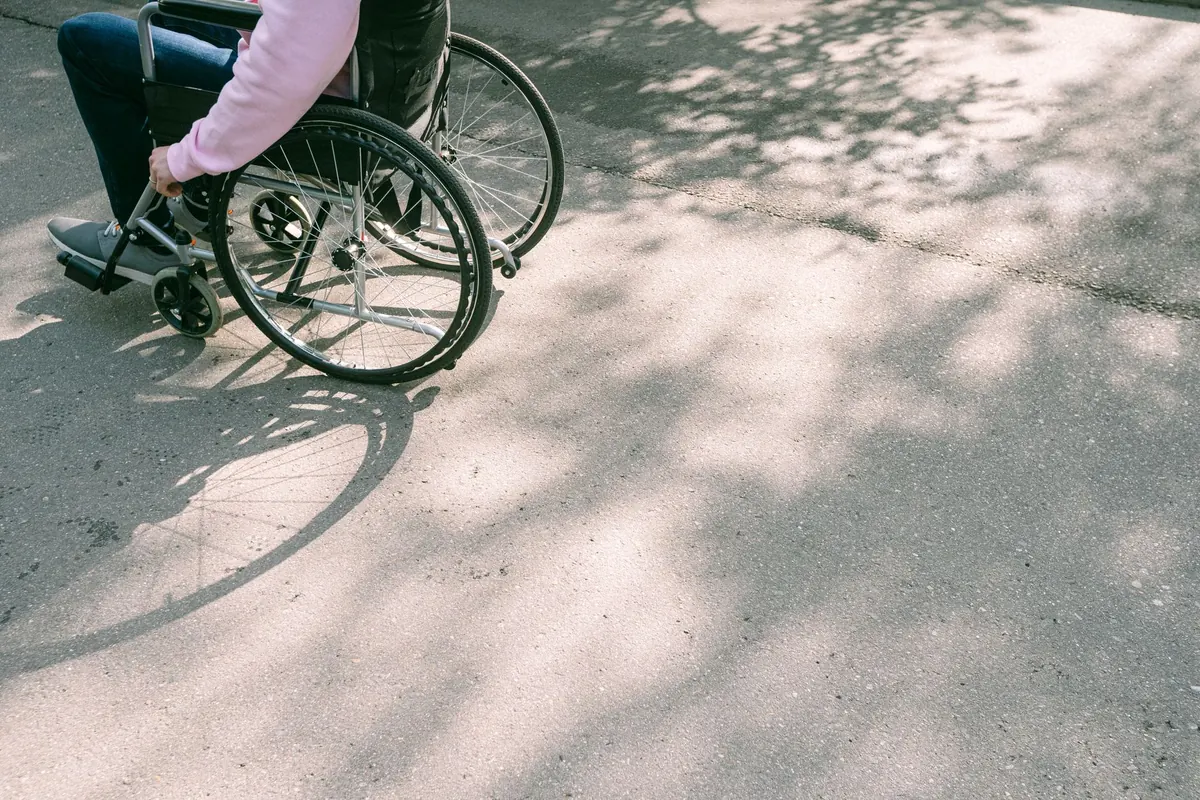
- Access opens up. A firm, level deck lets people in wheelchairs, families with pushchairs and less confident walkers reach places they could never cross otherwise.
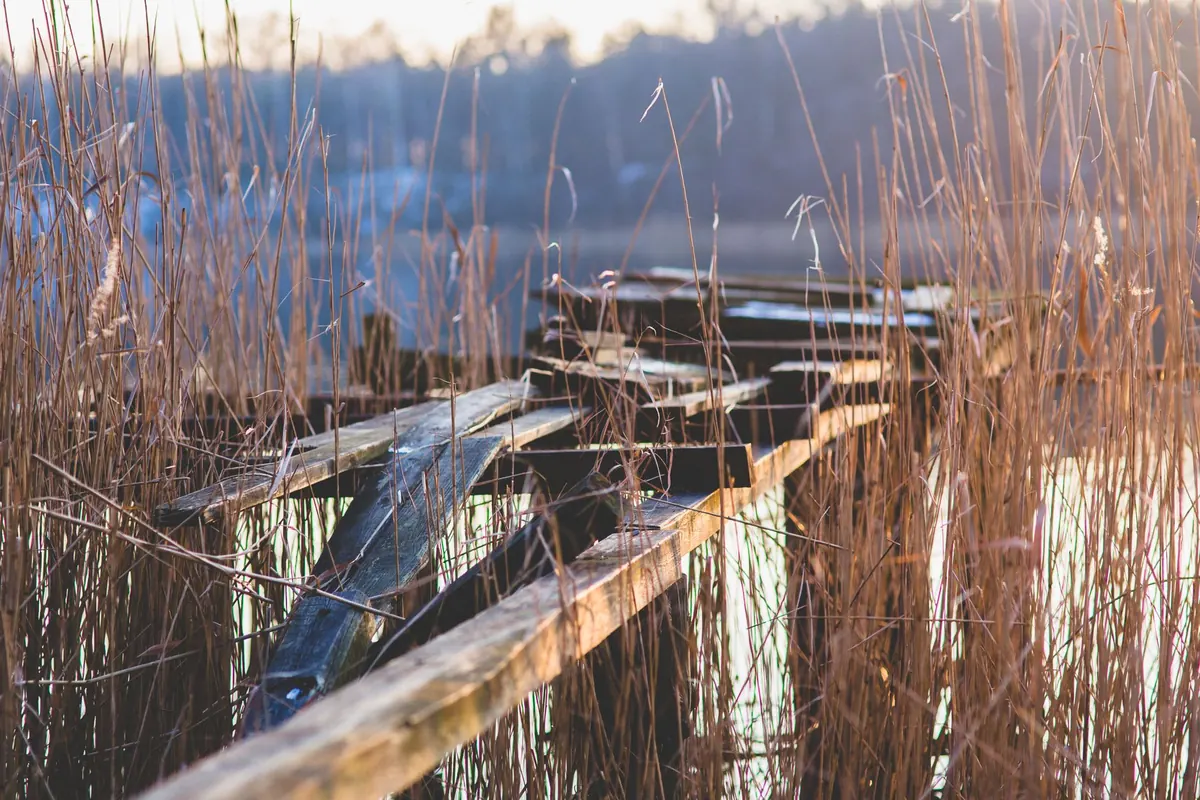
- Damage is easier to repair. Replacing a plank takes an afternoon. Restoring eroded peat can take decades.
- The route stays where it was planned. No braided desire lines appear across the reedbed, and no one ends up knee-deep in a ditch.
There is a public argument here too. Most wetland reserves depend on grants, donations and volunteer hours, and funders want to see that visitors are welcome and that the habitat is protected. A well-built boardwalk delivers both.
Design choices that make the difference
Materials and height
Timber, recycled plastic and composite decks all have their place. In soft peat or fen, timber or plastic planks on driven piles give the most reliable support. Where the ground is more stable, bearers laid on the surface may be enough. The deck should sit above the highest winter water level, with a small gap so air can move underneath and the structure dries between floods.
Grip, edges and passing places
Wet boards are treacherous, and shade keeps them damp long after rain. Mesh strips, grooves or a roughened finish make a real difference. Low kerbs or rails define the edge and give a handhold without boxing the view in. Passing places matter more than people expect: without them, walkers step onto the vegetation to let others by, which is exactly the damage the boardwalk was built to prevent.
Interpretation and comfort
A few well-placed panels turn a pleasant walk into something memorable. Explain what grows below your feet, why the water level is managed, and which birds appear in which month. Keep the wording short. A bench at a halfway point encourages people to stop and look, and gently slows the flow of traffic along a narrow route.
Using a boardwalk well
Once you are on the boards, the kindest thing you can do is stay on them. Stepping off to let someone pass, or to get a better angle on a dragonfly, compresses plants and deepens the mud that repairs then have to deal with. If a dog is with you, keep it close and on a lead where signs ask for it, particularly between March and July when ground-nesting birds are vulnerable.
Treat passing places as part of the trail rather than an obstacle. Stand aside there, not on the moss. Take litter home, including fruit peel, which looks harmless and is not. If you notice a rotten plank or a loose rail, report it to the site manager or the local wildlife trust; they rely on visitors to spot problems early.
A note on safety
Boardwalks can be slippery when frosty or after heavy rain, and water beside them may be deeper than it looks. Wear shoes with proper tread, take your time, and turn back if conditions feel wrong. None of this is a reason to stay away, just a reason to pay attention.
Making the most of a wetland trail
Go early, when the light is low and the birds are busy. Take binoculars rather than walking closer, and let your eyes adjust to the reeds. Read the noticeboard before you set off; it usually tells you about seasonal closures, nesting areas and any work underway. Support the organisations that maintain these routes, whether by joining, donating or turning up to a volunteer work day, and the planks under your feet will keep doing their quiet work for years to come.
Good wetland access is not about making nature convenient. It is about choosing exactly where our footprints fall, so everything else is left alone.
Photo: Ylanite Koppens / Pexels

Slot Volatility Explained: Why Your Bankroll Depends On It
Two players sit down at the same online slot, both with a $100 bankroll, both spinning at $1 a pull. One...
Volunteer Conservation on Wetland Trails: How to Join a Local Work Party
Practical conservation volunteering on wetland trails is sociable, useful and easier to start than you...
About Us